Other
- Home
- Other
Additional Conditions & Services, all in one place.
Some concerns affect many parts of the body rather than one specific joint or muscle. Others require specialized testing or structured recovery after surgery. This page brings together the additional conditions and services we provide, with clear information about symptoms, assessment, and treatment planning.
Additional conditions and services
Four specialized areas. One helpful guide.
Select an area to understand the condition or service, the signs that may lead to an evaluation, and how our team approaches diagnosis, care, or rehabilitation.

Fibromyalgia
A long-term disorder involving widespread musculoskeletal pain, fatigue, sleep problems, and changes in concentration.
What is Fibromyalgia?
Fibromyalgia is a disorder marked by widespread pain together with fatigue, sleep difficulty, memory problems, and changes in mood. Researchers believe it affects how the brain and spinal cord process both painful and non-painful signals, making normal sensations feel stronger.
Symptoms may appear after physical trauma, surgery, infection, or significant stress, although they can also build slowly without one clear trigger. Treatment focuses on managing symptoms and improving daily function.
Signs to watch for
Diagnosis
Diagnosis is based on the pattern and duration of widespread pain together with fatigue, sleep, and cognitive symptoms. Blood tests may be used to rule out other conditions such as thyroid disease, rheumatoid arthritis, lupus, or vitamin deficiency. A sleep study may be helpful when sleep apnea is suspected.
Treatment approach
Have questions about stroke recovery?

Neuropathy
Damage to peripheral nerves that may cause pain, numbness, tingling, weakness, or changes in body function.
What is a Neuropathy?
The evaluation may include a medical history and neurological examination of reflexes, strength, coordination, and sensation. Blood tests can check diabetes, vitamin levels, or immune function. EMG and nerve-conduction studies assess nerve signals, while imaging, skin biopsy, nerve biopsy, or genetic tests may be used in selected cases.
Treatment approach
Have questions about stroke recovery?

EMG/Nerve Conduction Study
Diagnostic tests that measure muscle electrical activity and how well signals travel through peripheral nerves.
What is EMG/Nerve Conduction Study?
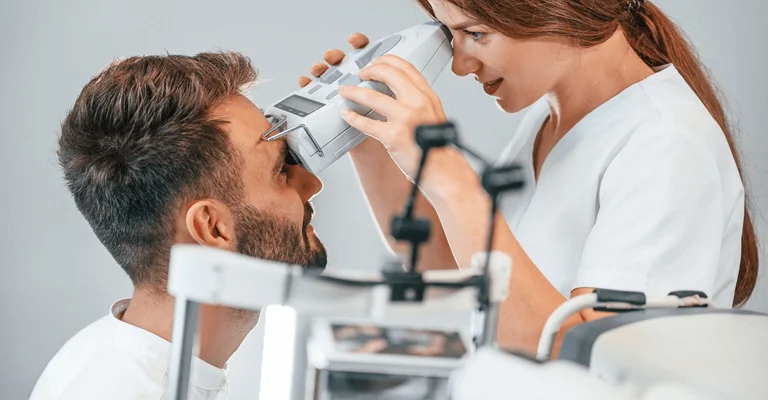
Electromyography, or EMG, measures electrical activity inside a muscle at rest and during contraction. A nerve conduction study measures the speed and strength of electrical signals traveling along a nerve. The two tests are commonly performed together.
The results help determine whether symptoms come from a nerve, a muscle, the connection between them, or a combination. This information can guide treatment for conditions such as neuropathy, carpal tunnel syndrome, radiculopathy, and certain muscle disorders.
When testing may be recommended
What happens during the test?
During the nerve conduction study, small electrodes placed on the skin deliver mild electrical pulses and record how signals move between points. During EMG, a thin needle electrode records activity in selected muscles. Several nerves or muscles may be tested and mild, temporary discomfort is possible.
Treatment approach
Have questions about stroke recovery?

Post-Operative Rehabilitation
A structured recovery program designed to rebuild movement, strength, flexibility, and confidence after surgery.
What is Post-Operative Rehabilitation?
Post-operative rehabilitation is a planned program of therapy and exercise that helps restore movement, strength, flexibility, balance, and function after surgery. The program is shaped around the procedure, the surgeon’s precautions, your health, and your personal recovery goals.
Appropriate early movement may reduce stiffness, weakness, and other complications. Rehabilitation is important after joint replacement, spine surgery, rotator cuff repair, and many other orthopedic procedures.
Problems rehabilitation addresses
Rehabilitation assessment
The therapist reviews the surgery and medical protocol, healing timeline, precautions, pain, current function, and personal goals. Assessment may include range of motion, strength, gait, balance, coordination, and the support available at home. Progress is shared with the surgical team when needed.