TOP

Sports Injuries

Recover the movement your sport demands

Sports injuries often develop when tissue is asked to handle more load than it is ready for. Sometimes this happens in one sudden moment. Other times, pain builds gradually because of repeated movement, training changes, limited recovery, or weakness elsewhere in the movement chain.

We evaluate the injured area along with the movement patterns and training demands around it. Your plan is then built to settle symptoms, restore capacity, and prepare you for the speed, strength, and control your activity requires.
Sports injuries we evaluate and treat

Focused care for overuse and tendon injuries

Each injury has its own pattern and recovery timeline. These service blocks explain how a personalized plan can support healing, rebuild capacity, and reduce the chance of repeat problems.

01

Achilles Tendonitis

Achilles tendonitis, also called Achilles tendinopathy, often develops after a sudden increase in running, jumping, or training load. Pain and stiffness are usually felt at the back of the ankle or just above the heel. Care focuses on settling irritation, rebuilding calf strength, improving ankle function, and gradually restoring the tendon’s ability to handle sport.

Calf strength
Tendon loading
Ankle mobility
Return to running

02

Iliotibial Band Syndrome

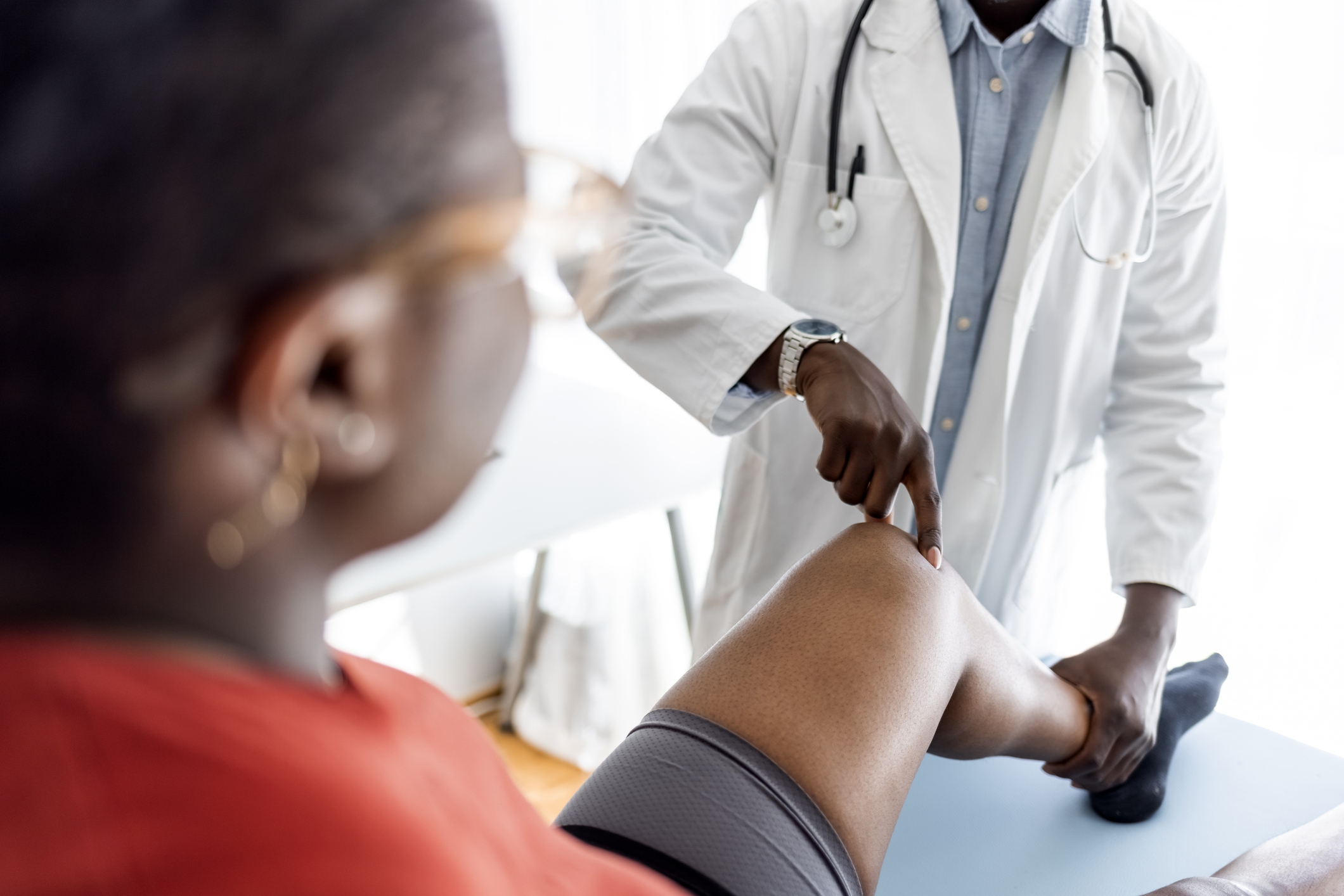
Iliotibial band syndrome commonly causes pain on the outside of the knee during running or cycling. Symptoms may be linked to training changes, hip weakness, running mechanics, or poor recovery. Treatment may include load adjustment, hip and leg strengthening, mobility work, and a gradual return to longer or faster sessions.

Lateral knee pain
Hip strength
Running load

03

Medial Epicondylitis

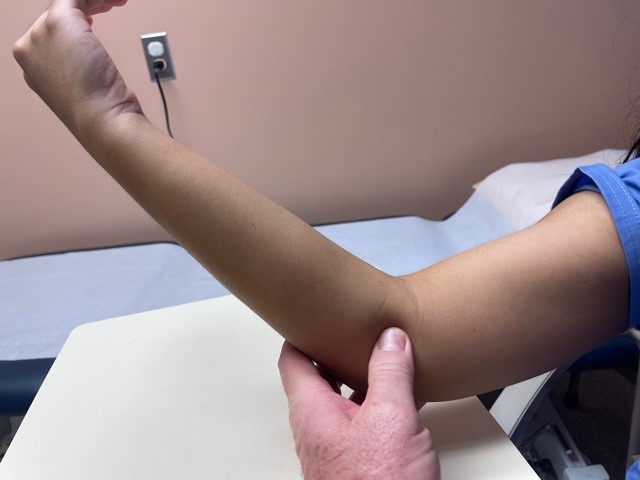
Medial epicondylitis, often called golfer’s elbow, affects the tendons on the inner side of the elbow. It can develop from repeated gripping, wrist flexion, throwing, lifting, or golf. Care usually combines activity changes, progressive forearm strengthening, grip work, technique review, and other non-surgical options when needed.

Inner elbow
Grip strength
Forearm tendons

04

Lateral Epicondylitis

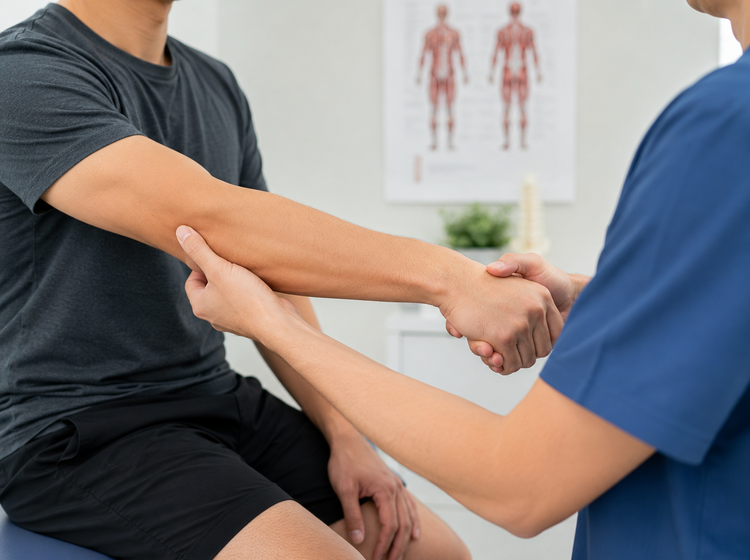
Lateral epicondylitis, commonly known as tennis elbow, causes pain around the outer elbow and may make gripping or lifting uncomfortable. The problem often follows repeated wrist extension or racquet, tool, and computer use. Rehabilitation builds tendon capacity through controlled loading while improving grip, technique, and activity tolerance.

Outer elbow
Tendon capacity
Grip tolerance

05

De Quervain's Tenosynovitis

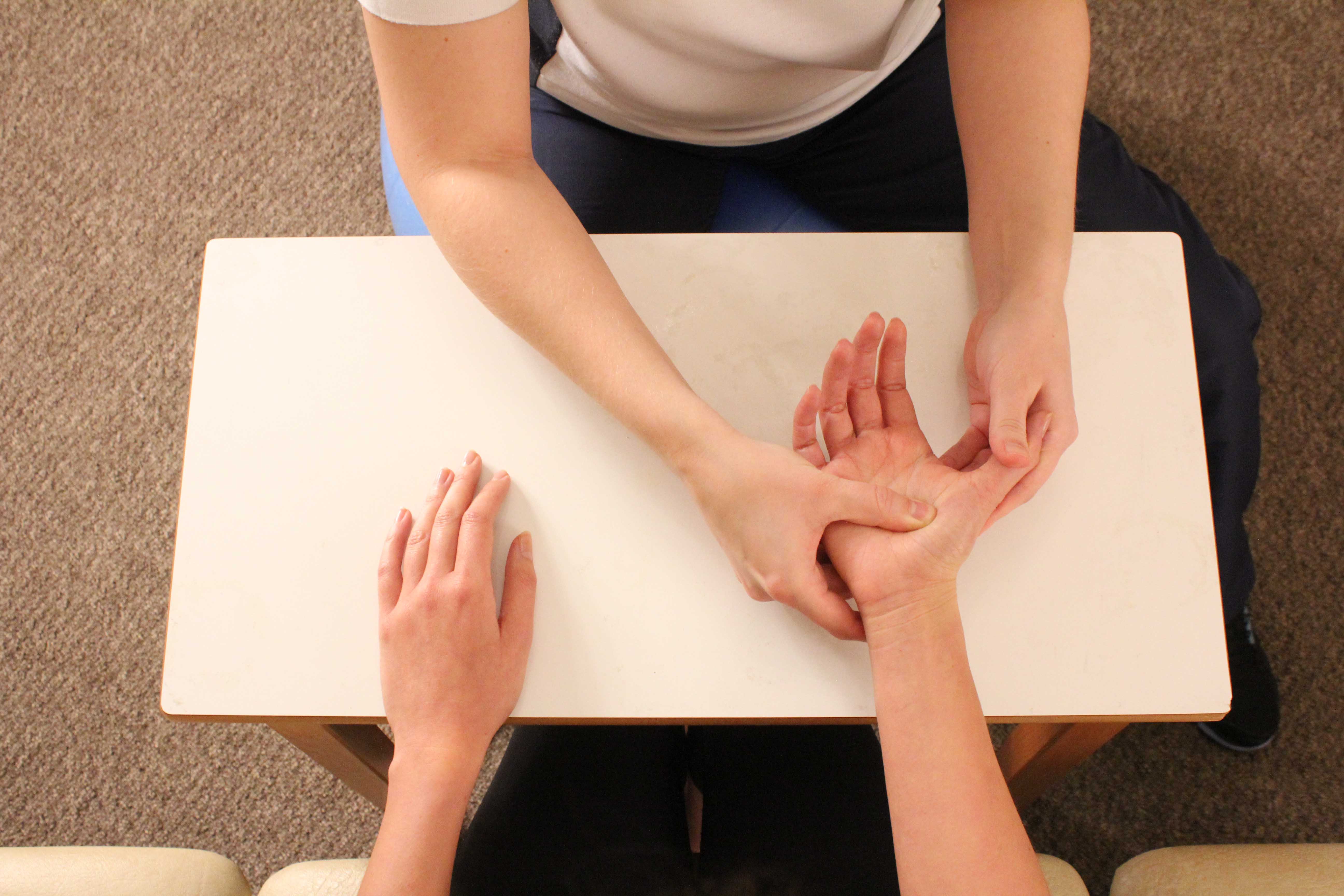
De Quervain’s tenosynovitis affects the tendons on the thumb side of the wrist. Pain may increase with gripping, lifting weights, holding sports equipment, or repeated thumb movement. Management may include load modification, thumb and wrist support, mobility work, gradual strengthening, and medical treatment when symptoms persist.

Thumb-side wrist
Tendon glide
Grip control

06

Rotator Cuff Tear / Pathology

The rotator cuff helps control and stabilize the shoulder during lifting, throwing, swimming, and overhead activity. Tendon irritation or a tear may cause pain, weakness, disturbed sleep, or difficulty raising the arm. We assess shoulder function and discuss appropriate options, which may include rehabilitation, medication, injection, imaging, or surgical referral depending on the injury.

Shoulder strength
Overhead control
Range of motion
Return to sport
Our sports injury process

A safe path back to your activity

Feeling better is important, but returning too quickly can bring the same problem back. We build recovery around tissue healing, progressive load, and the actual demands of your sport.

1. Understand the injury

We review how the problem started, your training history, symptom pattern, and the movements that now feel limited.

2. Test sport-specific function

Your evaluation may include mobility, strength, control, balance, grip, impact tolerance, or movement patterns related to your activity.

3. Rebuild capacity progressively

Treatment starts at a level the injured tissue can manage and advances through controlled strength, endurance, and movement practice.

4. Prepare for return

Before full participation, we review how you tolerate the speed, repetition, force, and recovery demands of training or competition.

Let’s build a rehabilitation plan around your needs.

Schedule an evaluation to talk through your symptoms, goals, and the support that may be right for you.

Already a Patient?

If you are new patient please click on “New Patient” button to fill new form